

Uncategorized
Aviator Game Creates Beneficial Engagement in Canada
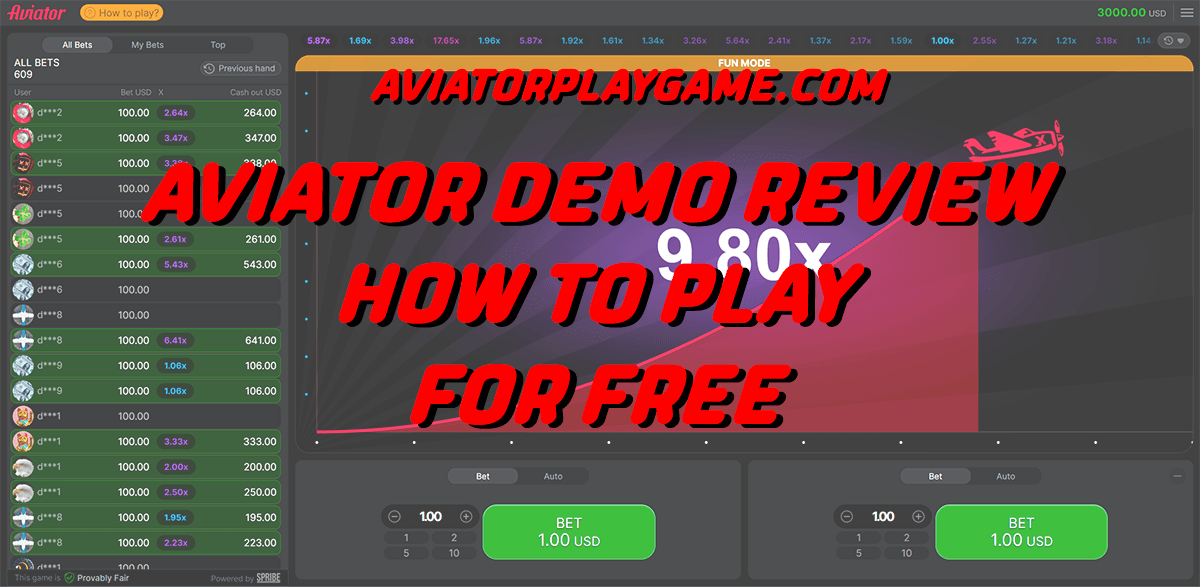
Online gaming in Canada often talks about addiction as a danger, something to prevent. But a new idea is taking shape around Aviator-style games. You can find it on sites like aviatorcasino.app/aviator. This game is starting a new discussion about what some people term “positive addiction.” This doesn’t involve harmful dependency. It’s about how the game promotes focused engagement, enables players recognize patterns, and even control their emotions. For players here, Aviator is more than a chance to make a profit. It’s a rapid mental workout where skill, timing, and discipline unite. This analysis of Aviator explores how its design develops a healthy kind of habit. It can improve your reactions and offer controlled excitement, changing how we talk about gaming in Canada.
The mindset of Positive Gaming Habits
It’s important to differentiate harmful compulsion from positive habit formation in online gaming. A positive addiction is a regular behavior that motivates you, adds to your well-being, and doesn’t hurt your daily life. In Canada, where responsible gaming is a significant part of the conversation, Aviator’s mechanics fit this idea. The game induces a state of “flow,” that feeling of being completely engaged in an activity. You enter this zone when the challenge suits your skill. The plane’s climb is unforeseeable, but you can create strategies by observing and evaluating risk. The wins come on an irregular schedule, which holds your brain in a healthy loop of learning, not a desperate chase to win back losses. For a Canadian player, this makes a session feel more like working on a strategic puzzle than placing a reckless bet.
Intellectual Stimulation and Reward Systems
Aviator directly activates the brain’s executive functions https://aviatorcasino.app/aviator/. These govern decision-making, impulse control, and planning. Every round is a minor exercise in making choices.
Essential Cognitive Processes Activated
Players constantly weigh the growing multiplier against their own cash-out target. This works out your risk-assessment muscles and challenges your ability to wait for a reward. The game advances fast, with rounds ending in seconds. This calls for quick thinking and adaptability, which can hone your mental reflexes. Also, the appearance and sound of a successful cash-out give you a clear, satisfying reward. That reward reinforces careful planning, not rash action. This structured engagement helps Canadian players build a framework for disciplined play. The habit that emerges is one of thoughtful participation, not mindless clicking.
Core Mechanics of Aviator That Build Discipline
Aviator’s design is ingenious in its simplicity, and that simplicity promotes discipline. The game is a trial of nerve and pre-commitment. Before the round starts, as the virtual plane begins to climb from a 1.00x multiplier, you must pick your cash-out point. This rule requires you to devise a strategy ahead of time. It’s different from games where you can alter your bet frantically while play is happening. The risk that the plane will fly away and the multiplier will fall to zero creates tangible tension. But you handle that tension with your own forethought. This system builds a habit of setting clear goals and adhering to them, a skill that makes sense to the pragmatic Canadian gamer. The game doesn’t let you chase losses during a round. If you fail to hit your cash-out point, that’s it. It demonstrates you to embrace the outcome and move on to the next strategic chance.
- Pre-Round Decision Making: You have to plan before anything happens, which creates a habit of planning ahead instead of reacting on impulse.
- Clear Visual Feedback: The rising multiplier and instant cash-out display you the instant result of your choice, reinforcing cause and effect.
- Inherent Finality of Choices: You can’t change your cash-out decision once the plane is flying. This instills commitment and how to handle consequences.
- Controlled Pace: Rounds are fast, but you have to wait for a new one to begin. This gives you a natural break between decisions.
Juxtaposing Positive Engagement with Harmful Gambling
We need to see how Aviator’s model is completely different from the mechanisms behind harmful gambling. Traditional slot machines commonly rely on near-misses and sensory overload to push continuous, mindless play where your decision-making deteriorates. Aviator positions the player in a state of constant agency. The attraction here isn’t the hope of a random jackpot. It’s the command of a skill-based challenge: timing your cash-out precisely. Harmful gambling often gets worse with losses. Positive engagement with Aviator can remain stable because the satisfaction stems from the quality of your decision, not just if you won money. For the Canadian market, which stresses self-awareness and control, this difference is key. The game becomes a setting to practice financial and emotional discipline inside a stimulating but bounded space. It isn’t a sinkhole for uncontrolled spending.
Risk Consciousness Versus Risk Avoidance
A major distinction is the game’s transparency. The risk isn’t hidden. It’s the main event. The plane will crash every single time. The only unknown is when. This compels players to openly acknowledge and deal with risk. It’s a stark contrast to games that hide the true odds. This honest confrontation with probability can lead to a better overall relationship with games of chance.

Building a Healthy Routine Around Gameplay
Incorporating Aviator into a harmonious life is central to the constructive addiction idea. Canadian players can leverage the game’s own structure to establish good routines. For example, establishing strict time limits for sessions or determining on a loss or win cap before you log in aligns with the game’s focus on pre-commitment. The fast pace of the rounds lets it to serve as a short mental break, not a multi-hour time sink. Many players say they employ the game as a cognitive warm-up or a way to hone focus before other work. The community aspect, through live chat features on gaming platforms, can create a sense of shared experience and promote responsible play. When you treat gameplay as a scheduled, intentional activity with clear boundaries, akin to a workout or a hobby, you alter it. It ceases being a potential vice and turns into a rewarding pastime that hones your mind and provides controlled excitement.
- Define Session Parameters: Choose on a time limit, like 30 minutes, and a budget for that session before you start playing.
- Utilize the Game as a Mental Exercise: Approach each round analytically. Record your decisions and outcomes to enhance your strategy, not just to win money.
- Incorporate Breaks: After a set number of rounds or a significant win or loss, take a mandatory five-minute break to step back and reassess.
- Connect with the Community Responsibly: Join the chat to share strategies and help create a culture of disciplined play.
The importance of Community and Shared Experience
The social side of Aviator adds a lot to its ability for forming healthy habits. On platforms that feature the game, Canadian players become part of a real-time engaged audience viewing the same multiplier curve in live time. This shared experience creates a distinct community linked by the same suspense and thrill. Unlike isolated gambling, this environment can result in helpful interactions, strategy talks, and group celebration. This community serves as a soft accountability partner. Gambling openly among peers can encourage more regulated behavior, as players often discuss their cash-out strategies and praise wise wins. The talk often revolves around “what if” scenarios and taking lessons from others’ timing. This shifts the focus from sheer profit to shared knowledge and progressing. The shared wisdom and camaraderie bolster the game’s identity as a competence-based challenge. It further distinguishes Aviator apart from solitary and hidden gambling behaviors.
Calculated Mindset Development Through Repetition
Participating in Aviator repeatedly organically develops a tactical mindset. This goes deeper than simple luck. It entails probabilistic thinking and emotional control. Players learn to see patterns in their own behavior. Maybe they frequently cash out too early from fear, or too late from greed. Over time, they learn to adjust their instincts. They might create personal rules, like always cashing out one bet at 2.00x and letting another ride, or changing their plan based on previous rounds. This cyclical learning process is the core of the positive addiction. The brain finds itself in a unending loop of prediction, action, feedback, and adjustment. For the analytical Canadian player, this evolves into a persuasive reason to come back. It’s not for a vague big win. It’s to evaluate a refined idea, to optimize their personal algorithm, and to enjoy the satisfaction of a plan well executed, no matter the cash value.
Moving from Intuition to Algorithmic Thinking
Veteran players often go beyond gut feelings. They learn to approach their gameplay with an systematic, almost data-driven approach.
Evolution of Player Strategy
Newcomers usually act reactively, cashing out on a spontaneous impulse. Intermediate players establish rigid, pre-determined multipliers. Advanced players, though, might create dynamic strategies. These consider recent round history, their current bankroll status, and even the vibe of the crowd in the chat. This advancement parallels skill development in any competitive field. Deep practice leads to unconscious competence and a powerful sense of engagement with the activity itself.
Aviator’s role in the Context of Canadian Gaming Culture

Canada’s gaming scene is noted for its strong focus on oversight, responsibility, and a combination of ability and luck in authorized options. Aviator integrates seamlessly into this environment. Its open mechanics and focus on player autonomy line up with Canadian values of justice and self-responsibility. Provincially regulated bodies promote informed play. Aviator’s structure naturally supports this by rendering risk clear and actions purposeful. Furthermore, the game’s online nature makes it reachable across Canada’s huge geography, providing the identical experience from Vancouver to St. John’s. As a offering that recognizes patience and self-control over blind luck, it resonates with the Canadian fondness for strategic games like poker or sports betting. But it offers that in a novel, modern presentation. Its increasing appeal indicates a change in the industry. Players are seeking participatory, calculated gaming experiences that entertain while honoring their intellect and independence.
Harnessing the Game for Personal Growth
In the end, the most interesting part of Aviator’s beneficial addiction potential is how it applies to personal growth. The core skills it hones are risk assessment, emotional regulation under pressure, strategic planning, and following your own rules. These skills transfer directly to real-world situations like investing, managing a project, or everyday choices. Canadian players who approach the game with this mindset often realize it’s a low-stakes training ground for high-stakes life skills. The game’s thrill becomes a backdrop for practicing discipline. The “addiction” is to self-improvement and mastery. If you intentionally frame gameplay as a cognitive workout instead of a money hunt, you can derive lasting value from the experience. This turns Aviator from a simple online pastime into a tool. It assists you build a more robust, thoughtful, and strategic approach to challenges, whether you’re looking at a screen or not.
- Emotional Resilience: Practicing to accept a crash without getting upset and to celebrate a win without getting overconfident.
- Financial Discipline: Exercising strict bankroll management inside a simulated high-stakes environment.
- Decisiveness: Training yourself to make clear decisions quickly, with limited information and under pressure.
- Analytical Review: Cultivating the habit of looking over your past performance, using round history to shape your future strategies.
About Author

