

Uncategorized
The reason Winnita Casino Provider Information Matters for the benefit of New Zealand Knowledgeable Player

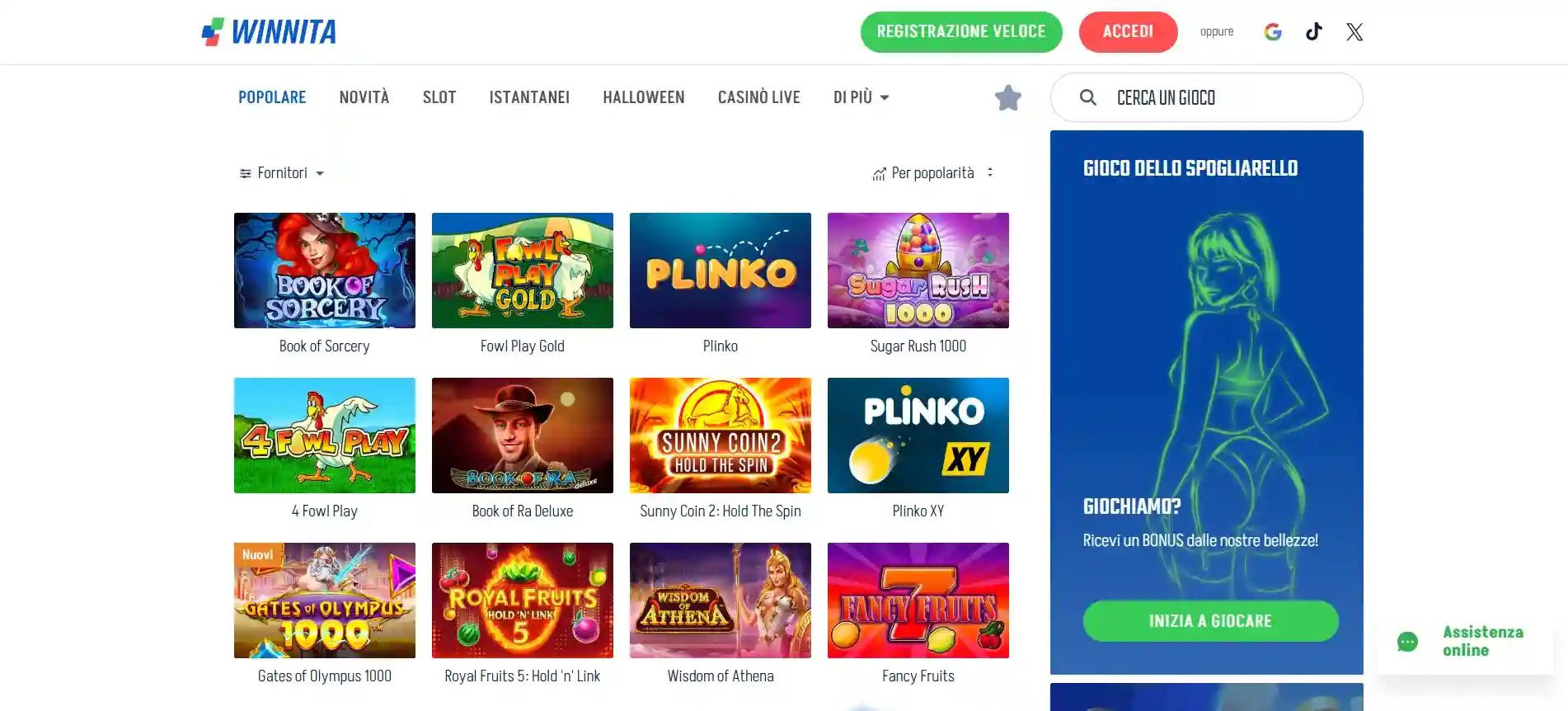
If you spend any time looking at online casinos for New Zealand players, you observe something https://winnitacasinoo.eu/en-nz/. The smartest players don’t just consider the welcome bonus or the homepage graphics. They look deeper, at the things that actually decide if a platform is honest, safe, and worthwhile. One of the most crucial details is also one of the easiest to miss: the list of companies that make the games. For a casino like Winnita, understanding who supplies the games isn’t just minor detail. It’s crucial information for reaching a good choice. This knowledge impacts what you can play, how fair the games are, and how safe you are when you play. Let’s examine why being aware of your providers is a necessity for any Kiwi player who desires to shift from casual clicking to comprehending the machinery behind the fun. This kind of technical check is what separates a astute player from someone who just follows the brightest ad. It establishes trust before you even do your first deposit.
The Direct Link Between Providers and Game Fairness
My primary concern when checking a casino’s reliability is always about where its games come from. Big-name software companies like NetEnt, Play’n GO, Pragmatic Play, and Evolution Gaming aren’t merely producing content. They are licensed businesses. Their random number generators, the RNGs that govern every outcome, face constant independent checks from groups like eCOGRA, iTech Labs, and Gaming Laboratories International. These audits verify that every slot spin, every card dealt, and every dice roll is completely random and provably fair. When Winnita Casino openly lists these certified providers, it’s putting its name behind the entire game library. This transparency lets me, and anyone else, check that the games run on certified, untampered math. It ensures the house edge is accurate and that results aren’t being fiddled with. Without verifying the providers, you’re just believing the casino’s word. That’s a risky move in an industry where software honesty is everything. The audit certificates for these RNGs are usually public. You can track back from the testing lab straight to a specific version of a game. You cannot do that with closed software from a company you’ve never heard of.

Understanding the Nuances of Game Selection and Excellence
A casino’s list of providers is its creative blueprint. It doesn’t merely indicate you how many games are there. It tells you you about the depth, the innovation, and the character of the whole collection. A site that only relies on small, budget studios often ends up with a library that feels repetitive, unpolished, and behind the times. But a platform like Winnita Casino, which blends industry leaders with clever smaller studios, delivers a curated selection of experiences. You get the cinematic, feature-packed slots from NetEnt. You get the high-risk, high-reward games from NoLimit City. Each provider has its own design approach. This range means you can find perfect classic table games from one studio, engaging live dealer rooms from another, and slots with New Zealand themes from a third. So, the provider list works as both a quality check and a content guide. It helps you predict the level of graphics, how smooth the play will be, and how original the bonus rounds are before you sign up. It shows you if the casino is investing in premium experiences or just buying cheap, generic content to meet a quota. That distinction becomes clear after playing just a few different games.
How Provider Specialization Defines Your Experience
Take a closer look, and you realize that each major provider controls a particular corner of the market. Spotting these specialties allows you to tailor your session. Suppose I want a story-driven slot with complicated bonus games. I’d seek titles from Blueprint Gaming or Big Time Gaming, renowned for their “Megaways” mechanics and chain reactions. But if I only want a fast, simple classic slot, I might turn to games from Wazdan or Relax Gaming. Understanding this transforms an overwhelming game lobby into a library you can actually browse. You can match what you play to your mood. You might pick ELK Studios for their clever, math-heavy grid games, or pick Red Tiger for their daily prize drops that introduce a competitive twist to normal slots. This is playing with purpose, not just clicking randomly.
The Critical Role of Niche and Localized Providers
The lesser-known developers reveal still more, particularly for a Kiwi crowd. A firm like Aristocrat has tangible units in local establishments all over NZ. Viewing their virtual slots online adds a level of recognition. Also, developers that design games with regional motifs, progressive wins, or extra mechanics show a casino is trying to cater to its particular market. When I see that type of selection, it’s a indicator. It implies the platform views its New Zealand players as a unique audience with particular tastes, not just a piece of a worldwide mass. This careful consideration in picking studios says a lot about how the casino thinks. It demonstrates a purchasing plan that cares about player feeling and cultural connection. That often goes hand-in-hand with superior customer service and transaction solutions Kiwis really use. If you spot no local content at all, it could not be a complete turnoff. But it often suggests a impersonal setup that lacks insight into what New Zealand players desire.
Provider Influence on Payment Systems and RTP
The RTP percentage, the RTP, is a vital statistic for any informed player. This crucial figure is set by the game provider, not the casino. Established studios publish the RTP for each of their games. You can typically locate it in the game’s details page or paytable. When I know Winnita Casino gets its games from these open studios, I can do my homework. I can select a slot with a 96% RTP over one that pays back 94%. This insight lets me control my money strategically over time. Casinos that withhold provider details, or use lesser-known companies that don’t publish RTPs, create a shroud of confusion. You can’t make mathematically sound choices there. The provider’s reputation for honesty gives me, the player, influence over the programmed odds of every game I pick. Also, some providers have a signature approach. NetEnt games usually have consistently high RTPs. Others might have more volatility. This lets me select a provider whose payout structure fits my tolerance for risk before I even look at single titles.
Protection and Fairness Guarantees Built-in in Provider Licenses
Protecting my personal and economic data protected is my primary focus. That safety applies into the software I’m employing. The best game suppliers possess their own licenses from stringent bodies like the Malta Gaming Authority or the UK Gambling Commission. These licenses force the provider itself to satisfy tough standards for data security, software safety, and how it runs. So, when I try a game from a UKGC-licensed provider at Winnita Casino, I get the benefit of two layers of oversight: the casino’s authorization and the provider’s authorization. This forms a series of obligation. The developer’s system is designed to withstand intrusions and to stop anyone from interfering with the game’s mechanics. In short, the provider acts as a dependable third-party warrantor for the game client’s security. It offers an important extra barrier between me and the site below. This two-layer model is vital. It implies a flaw in the casino’s own platform doesn’t directly set the game mathematics or the data from my game round at jeopardy. That part is dealt with inside the provider’s encrypted program.
In what manner Provider Info Signals a Casino’s Market Commitment
The game providers a casino selects tell you a lot about its commercial attitude and how committed it is to a market like New Zealand. Securing partnerships with top providers is a substantial financial investment. It’s something operators do when they aim to stick around and grow. When I examine a platform and see a robust list of recognized studios, it tells me the operator is financially healthy and dedicated to offering a good, competitive product. On the other hand, a short list full of unknown, white-label providers can be a warning sign. It might point to a fly-by-night site or a platform that’s cutting corners on game quality. For the Kiwi player, this is about sustainability. A casino that commits in top providers is more likely to be there next year. It means regular game updates, steady service, and a trustworthy place for your deposits and withdrawals. These partnerships are founded on contracts, not easily broken. They bind the casino to a certain standard. A provider like Evolution Gaming is choosy about who it works with. So, seeing them on the list is a strong outside vote of confidence in the casino’s operations.
Using Provider Knowledge for Better Game Selection
Once I know Winnita Casino’s providers, I quit being a passive consumer. I commence curating my own entertainment. This is hardly about having a vague liking. It’s about using specific, useful information. I know, for instance, that if I desire the best live casino experience, I should head straight to tables powered by Evolution or Pragmatic Play Live. They define the bar for stream quality, professional dealers, and inventive game shows. If I’m pursuing progressive jackpots with huge potential, I’d select games from Yggdrasil or Play’n GO, known for their network-linked prizes. This strategic method preserves time and money. It lets me avoid less suitable games and get right into content that matches what I’m after, my preferred level of risk, and the themes I like. All because I comprehend the signature styles of the studios behind them. I can also monitor new releases from my favorite providers. A casino with strong partnerships gets these games on launch day, keeping the library fresh. I get to try new mechanics and themes first.
The function of Suppliers in Safe Gambling Tools
One essential but often neglected job of trusted game providers is how they integrate with responsible gambling tools. Major developers build features right into their game code. This allows casinos provide things like reality check pop-ups, session time reminders, deposit limits, and self-exclusion. When a casino partners with these providers, it ensures these key player protections function seamlessly across every game. As a reviewer, I check if a platform’s responsible gaming tools are implemented everywhere. That consistency is only feasible if the provider network supports the proper protocols. It means when I set a deposit limit at a casino like Winnita, that limit is upheld. It’s not just respected at the cashier. It’s respected inside every slot or table game I start from a licensed provider. This creates a unified safety net around my play. A platform using unlicensed or non-compliant providers might have holes in that net. A player could theoretically jump into a game from a studio that doesn’t support the proper API hooks. That would make the casino’s responsible gambling policy partly pointless.
In the end, having a hard look at the game provider list is one of the most effective things a New Zealand online casino player can do. It shifts the evaluation from marketing promises to the strong ground of software integrity, financial fairness, creative quality, and operational security. For a casino like Winnita, open provider information is a foundation of its credibility. It provides players like me the evidence needed to trust the randomness of the games, the safety of the software, and the long-term health of the operator. By establishing this knowledge a priority, Kiwi players afford themselves the power to choose entertainment that is not just fun, but also fair, secure, and built on technology the industry sanctions. This educated approach represents the difference between making a casual bet and having a considered choice in modern digital gaming. It guarantees every session is based on verified fairness and structured choice, not just blind luck.
About Author

